Greek Holiday Desserts: A Sweet Journey Through History & Recipes
There's a special kind of magic that unfolds around Greek holiday tables, and much of it revolves around the captivating aroma and exquisite taste of traditional desserts. A delightful blend of citrus, fragrant nuts, golden honey, and warm cinnamon, these greek holiday bakes sweets are festive yet wonderfully light, making them perfect showstoppers for any seasonal gathering. From Christmas to Thanksgiving and New Year's Eve, these treats offer a sweet embrace of heritage, inviting you on a delicious journey through centuries of culinary evolution.
This comprehensive guide dives into the rich history, cultural significance, and essential recipes behind Greece's most cherished festive confections. Get ready to explore how ancient traditions shaped the sweet landscape, understand the symbolic meaning behind each bite, and discover practical tips to recreate these masterpieces in your own kitchen.
The Ancient Roots of Greek Sweet Treats
The love affair with sweet treats in Greece dates back to antiquity, long before the widespread use of sugar. In ancient Greece, desserts were simpler, often centered around nature's bounty: honey, nuts, and grain-based dough. Early confections like plakous and gastris were precursors to today's elaborate pastries, featuring layers of nuts, sesame, and the sacred sweetness of honey.
Honey held profound significance, often referred to as "the nectar of the gods." It wasn't just a sweetener; it symbolized prosperity, fertility, and divinity, playing a crucial role in religious offerings and celebratory feasts that marked bountiful harvests and spiritual events. These ancient practices laid the foundational stones for what would become some of the world's most beloved desserts, including early versions that eventually evolved into the iconic baklava we adore today. This deep connection to ancient ingredients and their symbolic meanings highlights the enduring legacy embedded in every bite of a Traditional Greek Bake: Ancient Roots & Modern Holiday Sweets.
A Tapestry of Influences: How History Shaped Greek Holiday Bakes
Greek holiday desserts are a delicious testament to the country's vibrant history, a mosaic of culinary influences spanning centuries. Over time, successive empires and cultural exchanges enriched the Greek sweet repertoire, adding layers of complexity, new spices, and innovative techniques.
- The Byzantine Period: This era saw the introduction of new spices and, significantly, sugar from the East. Desserts began to evolve beyond simple honey-drizzled preparations, becoming more refined and diverse.
- The Ottoman Empire: Perhaps the most profound influence on Greek sweets, Ottoman rule brought with it the widespread use of phyllo dough, syrup-soaked pastries, and an array of nutty confections. This is why many Greek and Turkish desserts, such as baklava and kataifi, share striking similarities – a delicious cross-cultural legacy.
- The Venetian Period: While less direct in shaping *holiday bakes*, Venetian trade routes introduced new ingredients and further refined culinary techniques, subtly influencing the broader dessert landscape.
By the time Christianity became the central faith in Greece, sweet pastries and cookies had adopted significant symbolic meanings, becoming intrinsically linked to major holidays. This period solidified the place of specific treats like honey-dipped melomakarona and almond shortbread kourabiedes as essential Christmas and New Year's staples, each carrying a story and a blessing within its delicious form.
Iconic Greek Holiday Desserts: Recipes & Traditions
When it comes to greek holiday bakes sweets, a few stand out as absolute must-tries, each steeped in tradition and bursting with festive flavor. Understanding their stories and key components helps appreciate the artistry behind these cultural treasures.
Melomakarona: The Honey-Dipped Christmas Cookie
Melomakarona are synonymous with Greek Christmas. These oblong cookies are made from a rich dough often flavored with orange zest, cinnamon, and cloves. After baking, they are immediately plunged into a warm honey syrup, allowing them to soak up the sweet, aromatic liquid. Finally, they are generously sprinkled with crushed walnuts. The name itself, "melo" (honey) and "makaroni" (from the ancient Greek "macaria" meaning blessed food), reflects their symbolic role in bringing blessings and prosperity during the festive season. To get the perfect melomakarona, ensure your cookies are hot and your syrup is cool, or vice versa, for maximum absorption without them becoming mushy.
Kourabiedes: The Buttery Almond Shortbread of Celebration
Often served alongside melomakarona, kourabiedes are another indispensable holiday treat. These melt-in-your-mouth shortbread cookies are made with generous amounts of fresh butter, often flavored with brandy or rosewater, and studded with toasted almonds. Once baked, they are dusted—or rather, buried—under a thick blanket of icing sugar, symbolizing purity, new beginnings, and the fresh fallen snow of winter. The key to truly ethereal kourabiedes lies in using high-quality butter and beating it well to incorporate air, ensuring that crumbly, yet tender texture. These delicate cookies are particularly popular for New Year's celebrations, promising a sweet and pure start to the year ahead.
Baklava: The Crown Jewel of Greek Pastries
While enjoyed year-round, baklava takes on a special celebratory air during the holidays. This layered pastry is a masterpiece of culinary patience: wafer-thin phyllo dough brushed with melted butter, generously filled with a mixture of chopped nuts (typically walnuts, sometimes pistachios), cinnamon, and cloves, then baked to a golden crisp. The magic truly happens when a hot, fragrant honey-cinnamon syrup is poured over the freshly baked, still-hot baklava, allowing every layer to absorb the sweet nectar. Its intricate layers and rich flavors make it a fitting centerpiece for any holiday feast, a direct descendant of those ancient honey and nut confections.
Vassilopita: The New Year's Lucky Cake
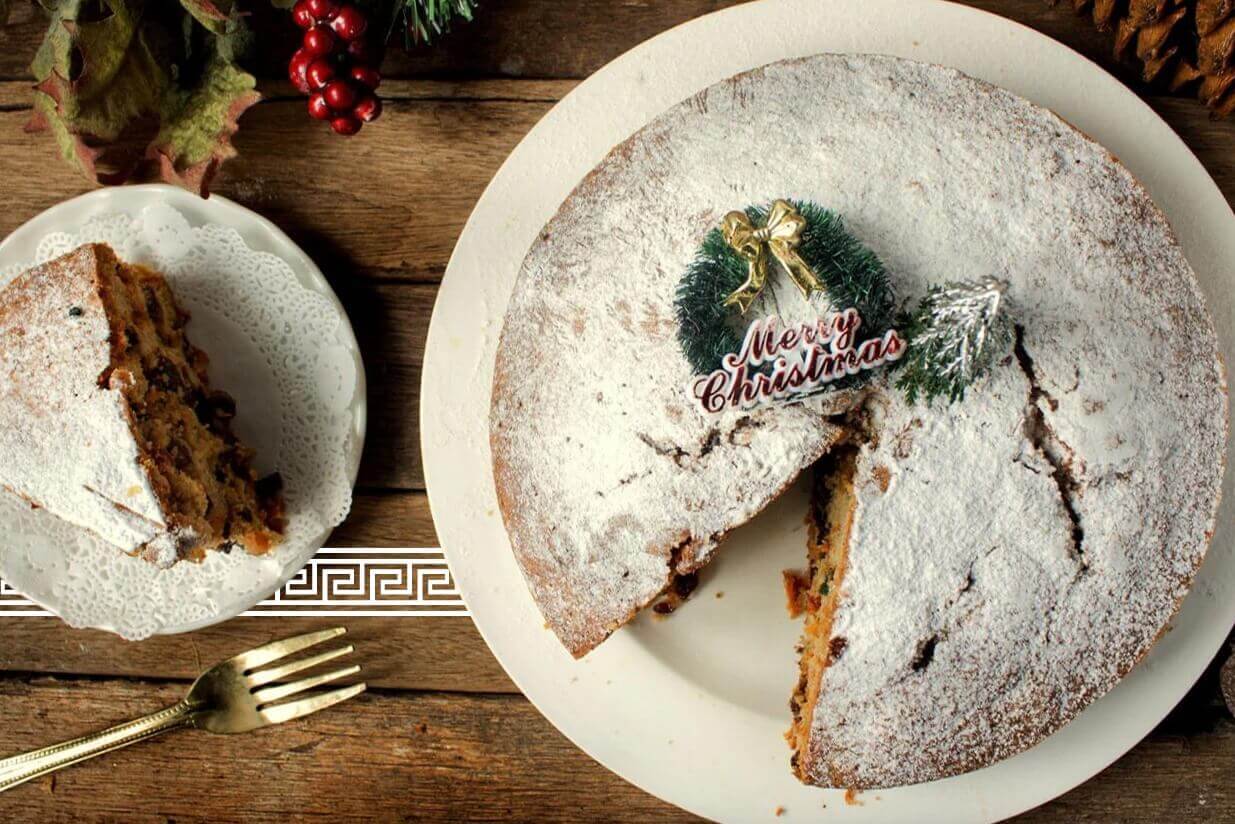
No discussion of Greek holiday bakes is complete without Vassilopita, or St. Basil's Pie. This celebratory cake is traditionally baked for New Year's Day and has a coin hidden inside. Sliced at midnight or on New Year's Day, the person who finds the coin in their slice is said to have good luck for the entire year. Vassilopita can range from a simple, sweet bread to a richer cake, often flavored with orange zest or mahleb. It’s a wonderful tradition that brings families together, eagerly anticipating who will be the lucky recipient.
Elevating Your Greek Holiday Dessert Experience
Beyond the recipes, there's an art to enjoying and presenting these festive greek holiday bakes sweets. Greek hospitality, known as filoxenia, shines brightest when shared through food. Here are some tips to truly embrace the spirit:
- Perfect Pairings: Always brew strong, authentic Greek coffee. Its robust, slightly bitter notes perfectly complement the sweetness of the desserts. For an extra touch of indulgence, consider a glass of a sweet dessert wine, such as a Samos Vin Doux.
- Thoughtful Presentation: Arrange your melomakarona, kourabiedes, and baklava beautifully on platters. Slice fresh oranges to accompany them—their bright acidity is a wonderful palate cleanser. Set out small bowls of toasted walnuts and extra honey for guests to drizzle over their treats, adding an interactive and luxurious touch.
- Embrace the Tradition: Making these desserts can be a family activity, a way to pass down traditions and create new memories. The shared effort in preparing a batch of kourabiedes or meticulously layering baklava strengthens bonds and infuses the treats with even more love.
- Seasonal Flavors: Remember the core components—honey, nuts, and citrus. These foundational flavors make Honey, Nuts & Citrus: Your Guide to Festive Greek Desserts truly special. Don't be afraid to enhance them with fresh zest or a sprinkle of high-quality cinnamon.
Whether you're celebrating Christmas, Thanksgiving, or New Year's Eve, incorporating these Greek holiday desserts into your traditions is a wonderful way to impress your guests and introduce them to a world of rich flavors and deep history.
Conclusion
From the ancient offerings of honey and nuts to the sophisticated, spice-infused pastries of today, Greek holiday desserts are a captivating journey through time and taste. They embody not just the culinary skill of a nation, but also its history, its religious customs, and its profound sense of hospitality. By delving into the recipes of iconic treats like melomakarona, kourabiedes, and baklava, you're not just baking; you're preserving and celebrating a heritage on your plate. So this holiday season, why not embark on your own sweet journey? Bring the warmth, aroma, and delicious traditions of Greece to your table, and create unforgettable memories with every delightful bite.
