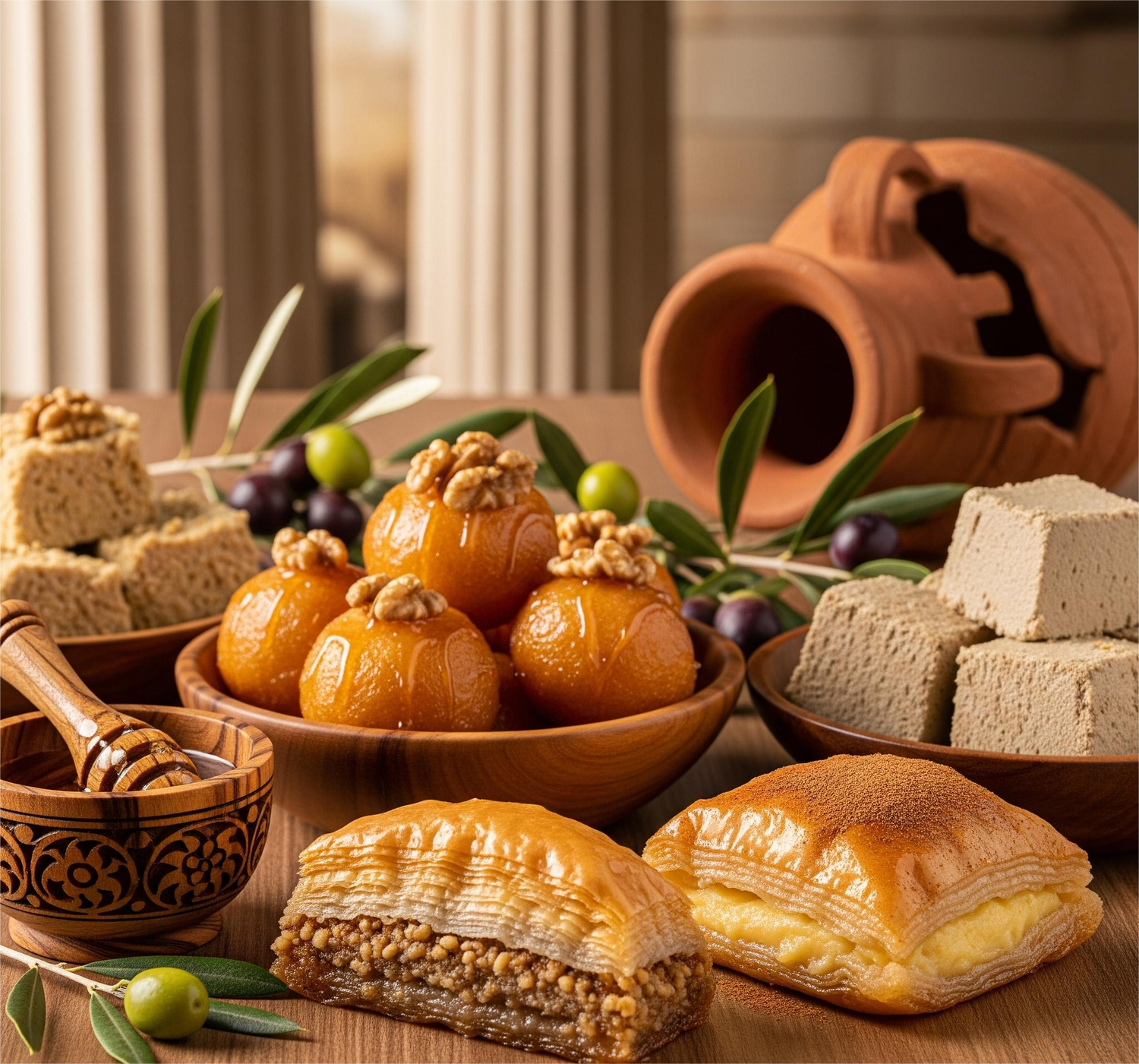
Honey, Nuts & Citrus: Your Guide to Festive Greek Desserts
As the holiday season draws near, tables worldwide prepare to host feasts filled with tradition and joy. For those seeking a culinary journey that’s both rich in flavor and light in spirit, look no further than the exquisite world of Greek holiday bakes and sweets. These delightful treats, a perfect symphony of honey, nuts, and citrus, offer a festive indulgence that's impressive without ever feeling heavy. Whether you're celebrating Christmas, Thanksgiving, or New Year’s Eve, these classic desserts are guaranteed to charm your guests and create lasting memories. They embody the warmth of Greek hospitality and a history as sweet as their ingredients.
A Taste of Antiquity: The Deep Roots of Greek Sweetness
The allure of Greek holiday desserts isn't a recent phenomenon; it's a culinary legacy steeped in ancient traditions. Long before sugar became a household staple, early Greeks crafted sweet treats using the foundational ingredients still celebrated today: honey, nuts, and dough. Imagine the simplicity and richness of desserts like
plakous and
gastris, early confections made with layers of nuts, sesame, and the golden elixir of honey. These weren't just simple sweets; they were the progenitors of iconic pastries we adore today, such as the renowned baklava.
Honey, often revered as "the nectar of the gods," held profound cultural and symbolic significance. It represented prosperity, divine blessing, and was a staple in religious offerings and festive meals commemorating abundant harvests. Its presence in ancient Greek cuisine underscores a deep connection between food, spirituality, and celebration. This reverence for natural sweetness laid the groundwork for the intricate, flavor-packed
greek holiday bakes sweets that grace our tables today, connecting us directly to an unbroken chain of culinary history. To delve deeper into this fascinating evolution, explore
Traditional Greek Bakes: Ancient Roots & Modern Holiday Sweets.
A Symphony of Influences: How History Shaped Greek Sweets
The journey of Greek desserts is a captivating narrative of cultural exchange and culinary evolution. Over centuries, various empires and civilizations left their indelible mark, enriching the Greek sweet landscape with new techniques, exotic spices, and innovative ingredients. The Byzantine era saw the introduction of sugar and an expanded palette of spices from the East, leading to more refined confections. Later, the Ottoman Empire brought its profound influence, popularizing the delicate phyllo dough and syrup-soaked pastries that are now synonymous with Greek sweets. This shared heritage explains the striking similarities between Greek and Turkish desserts, with treats like baklava and kataifi enjoyed across both cultures.
As Christianity became central to Greek life, many sweet pastries and cookies acquired symbolic meanings, becoming integral to major religious holidays. This period truly solidified the identity of many
greek holiday bakes sweets we recognize today. The fusion of ancient practices, Eastern influences, and Christian symbolism created a unique dessert tradition that is both historically rich and deeply personal for generations of Greek families.
Iconic Greek Holiday Bakes & Sweets to Adorn Your Table
When it comes to festive Greek desserts, two stars shine brightest during the holiday season: Melomakarona and Kourabiedes. These are more than just cookies; they are edible symbols of warmth, family, and tradition.
Melomakarona: The Honey-Dipped Spiced Delight
Melomakarona are perhaps the quintessential Greek Christmas cookie. These oblong, semolina-based cookies are infused with aromatic spices like cinnamon and clove, often incorporating orange zest and juice for a bright, tangy note. What truly sets them apart is their luscious honey syrup bath after baking, followed by a generous sprinkling of crushed walnuts. The combination of moist, cake-like texture, warm spices, and the sweet, sticky honey makes them utterly irresistible. The honey not only provides sweetness but also symbolizes blessings and a sweet new year, keeping with ancient traditions. Their robust flavors are particularly comforting during the cooler months, making them a perfect addition to any festive spread.
Kourabiedes: Buttery Almond Shortbread with a Snowy Finish
In delightful contrast to the melomakarona,
Kourabiedes offer a different kind of magic. These tender, buttery almond shortbread cookies melt in your mouth, leaving a delicate sweetness. Typically crescent-shaped or round, they are generously studded with roasted almonds, adding a delightful crunch. After baking, they receive a lavish dusting of icing sugar, making them appear as if they've been freshly covered in snow – a beautiful visual for winter holidays. The rich butteriness and subtle almond flavor evoke a sense of pure indulgence, making them another beloved Christmas staple. Some recipes even include a hint of brandy or rosewater for an extra layer of sophistication.
While Melomakarona and Kourabiedes take center stage, other delights like flaky Baklava, delicate Kataifi, or creamy Galaktoboureko also make appearances, reflecting the vast and varied tapestry of
Greek Holiday Desserts: A Sweet Journey Through History & Recipes. Each offers a unique experience, from crisp phyllo to custardy fillings, all united by a common thread of quality ingredients and time-honored techniques.
Bringing Greek Festive Flavors Home: Tips & Traditions
Beyond their incredible taste, Greek holiday desserts are about creating an experience. Here's a practical guide to incorporating these festive treats into your own celebrations, whether you're baking them yourself or sourcing them from a local specialty store:
*
The Perfect Pairing: There’s no better accompaniment to these sweets than a strong, aromatic cup of traditional Greek coffee. Its rich, slightly bitter notes perfectly balance the sweetness of the desserts, creating a harmonious palate experience.
*
A Feast for the Eyes: Presentation is key. Arrange your melomakarona and kourabiedes beautifully on a platter. Slice fresh oranges and mandarins to add a burst of color and a refreshing citrus aroma to the table. These fruits complement the dessert flavors and add a touch of Mediterranean vibrancy.
*
Interactive Delights: Set out small bowls of toasted walnuts and extra honey for drizzling. This allows guests to customize their treats, adding more crunch or sweetness as desired, enhancing the interactive and communal aspect of Greek hospitality. A sprig of fresh mint or a scattering of pomegranate seeds can also elevate the visual appeal.
*
Embrace the Aroma: If you're baking, let the scents of cinnamon, clove, orange, and honey permeate your home. These natural aromas contribute significantly to the festive atmosphere, inviting guests to savor the moment even before tasting.
*
Consider Dietary Needs: While many traditional Greek desserts are naturally dairy-free (especially melomakarona, which often uses olive oil), be mindful of nut allergies due to the prevalence of almonds and walnuts. Offer clear labels if serving a variety.
*
Share the Story: Don't just serve the desserts; share their history! Explaining the ancient roots of honey, the influence of empires, or the symbolism behind melomakarona and kourabiedes adds a deeper layer of appreciation for your guests.
By following these simple suggestions, you can truly impress your guests and introduce them to the delightful world of
greek holiday bakes sweets, creating a memorable holiday experience that transports everyone to the sun-drenched shores of Greece.
Conclusion
From the ancient offering bowls of honey-laced treats to the modern festive tables laden with fragrant cookies, Greek holiday desserts offer a rich tapestry of history, flavor, and tradition. The timeless combination of honey, nuts, and citrus forms the heart of these delightful confections, making them an ideal choice for celebrating the season. They provide a unique blend of heartwarming comfort and elegant festivity, promising to bring a touch of Mediterranean sunshine and genuine hospitality to your holiday gatherings. This year, embrace the sweet legacy of Greece and let these exceptional bakes become your new favorite holiday tradition.