Traditional Greek Bakes: Ancient Roots & Modern Holiday Sweets
As the festive season approaches, the aroma of cinnamon, honey, and toasted nuts often signals warmth, celebration, and cherished traditions. For many, these scents are synonymous with Greek holiday desserts. Far from merely being sweet treats, these confections tell a captivating story, weaving together thousands of years of history, cultural exchange, and culinary artistry. From the simplest honey-drizzled morsels to intricately layered pastries, Greek holiday bakes and sweets are the perfect combination of vibrant flavors – citrus, nuts, honey, and cinnamon – making them festive, satisfying, yet never overwhelmingly heavy. This article serves as a very brief history and recipe guide, inviting you to discover the ancient roots and modern charm of these delightful Greek holiday bakes and sweets, perfect for your Christmas, Thanksgiving, or New Year’s Eve celebrations. 🎁
The Echoes of Antiquity: Honey, Nuts, and the Foundation of Greek Sweets
The journey of Greek holiday desserts begins not in bustling modern kitchens, but in the heart of ancient Greece. Long before sugar became a global commodity, the ingenuity of early Greek cooks laid the foundation for today's beloved sweets using nature's bounty: honey, nuts, and grain-based dough. Imagine a time when desserts like plakous and gastris graced ancient tables. These early confections were crafted with layers of nuts, sesame, and honey, precursors to the flaky, syrup-soaked baklava we adore today. Honey, often hailed as "the nectar of the gods," held immense significance, symbolizing prosperity, fertility, and divinity. It was a staple in religious offerings to the gods and an integral component of festive meals celebrating bountiful harvests and important religious events. This reverence for honey, and its essential role in sweetening, underscores a continuity that stretches unbroken from antiquity to the modern Greek kitchen, where its golden sweetness remains paramount.
A Tapestry of Influences: Shaping Greek Holiday Sweets Through the Centuries
Greek cuisine, much like its history, is a rich mosaic of influences. Over the centuries, successive empires and cultural exchanges left an indelible mark on Greek holiday desserts, adding layers of complexity and flavor. The Byzantine era, a period of rich cultural synthesis, saw the introduction of new spices from the East and the gradual integration of sugar, albeit as a luxury item. Following this, the Ottoman Empire's long rule brought profound changes, particularly with the widespread adoption of phyllo dough and syrup-soaked pastries. This is why many traditional Greek sweets share striking similarities with Turkish and other Middle Eastern confections, such as baklava and kataifi, embodying a shared culinary heritage. The Venetian period, with its maritime trade routes, further enriched the pantry with new ingredients and techniques. By the time Christianity became the central pillar of Greek life, many sweet pastries and cookies began to take on symbolic meanings deeply tied to major holidays, transforming them from mere treats into embodiments of faith and tradition.
Staples of the Season: Iconic Greek Holiday Bakes and Their Significance
When we talk about Greek holiday sweets, certain treats immediately come to mind, each carrying its own flavor profile and cultural weight. These are the stars of the festive table, bringing joy and comfort to generations:
- Melomakarona: The Honey-Dipped Christmas Cookie
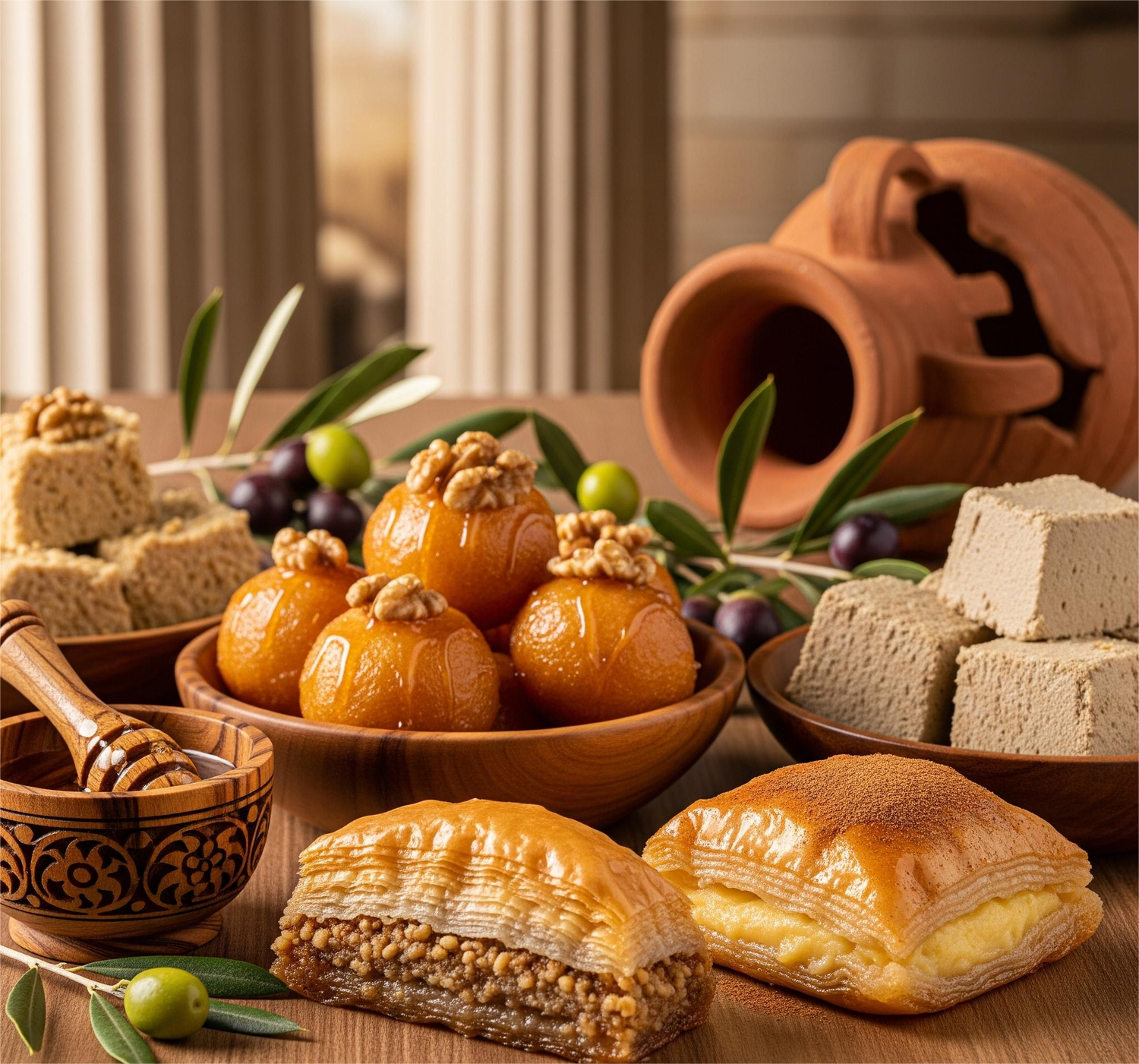
These exquisite cookies are the quintessential Greek Christmas sweet. Melomakarona are soft, oval-shaped cookies baked with olive oil, orange zest, and sometimes a hint of brandy. Once baked, they are immediately plunged into a warm honey-cinnamon syrup and then typically topped with finely chopped walnuts. The name itself hints at their goodness: "melo" means honey, and "makaron" is derived from a word meaning "blessed." They embody the warmth and sweetness of the season, with the honey symbolizing new beginnings and good fortune. Their deep, aromatic flavors of orange, cinnamon, and honey are simply irresistible. - Kourabiedes: The Snow-Dusted Almond Shortbread
Often appearing alongside melomakarona on Christmas tables, kourabiedes offer a delightful contrast. These buttery, almond-rich shortbread cookies are baked until golden and then generously dusted with a thick layer of icing sugar, resembling snow-covered mounds. Often shaped into crescents or round medallions, they are symbolic of purity and joy. The crunch of toasted almonds combined with the melt-in-your-mouth buttery texture and delicate sweetness makes them a truly luxurious holiday treat. - Vasilopita: The New Year's Lucky Cake
While not a cookie, Vasilopita holds a special place in Greek New Year celebrations. This celebratory cake or bread is traditionally baked with a hidden coin (flouri) inside. The person who finds the coin in their slice is believed to have good luck for the entire year. It’s a delightful tradition that brings anticipation and excitement to the New Year's feast, often flavored with orange or mahlep and dusted with powdered sugar. - Baklava: A Layered Legacy
No discussion of Greek sweets, especially holiday ones, is complete without mentioning Baklava. While enjoyed year-round, its rich, celebratory nature makes it a holiday favorite. This iconic dessert features numerous layers of crisp, buttered phyllo pastry, filled with a mixture of chopped nuts (typically walnuts or pistachios), spiced with cinnamon and cloves, and drenched in a fragrant honey-lemon syrup. Its intricate preparation and decadent taste make it a true showstopper.
Bringing Greek Holiday Sweet Traditions to Your Home
Embracing the tradition of Greek holiday bakes is more than just following a recipe; it's about inviting warmth, history, and a touch of Mediterranean hospitality into your home. These desserts are designed to be shared, to gather loved ones around a table, and to create lasting memories. To truly capture the Greek experience, consider these practical tips for serving and enjoying your homemade treats:
- Perfect Pairings: Brew strong, rich Greek coffee. Its robust flavor is the ideal counterpoint to the sweetness of the desserts.
- Aromatic Accents: Slice fresh oranges for the table. Their vibrant color and refreshing aroma complement the spice and honey notes beautifully.
- Custom Drizzles: Set out small bowls of toasted walnuts and extra honey for drizzling. Guests can customize their treats, adding an interactive element to the dessert spread.
- Embrace the Process: Baking these sweets can be a wonderful family activity. Involve children in measuring, mixing, or even just dusting the kourabiedes. It's a fantastic way to pass on culinary heritage. For a deeper dive into the historical journey and more detailed recipes, explore our article: Greek Holiday Desserts: A Sweet Journey Through History & Recipes.
- Quality Ingredients: The magic is in the simplicity and quality. Use good olive oil for melomakarona, fresh butter for kourabiedes, and high-quality local honey whenever possible. To master the essential elements of these festive treats, be sure to read: Honey, Nuts & Citrus: Your Guide to Festive Greek Desserts.
Whether you're celebrating Christmas, Thanksgiving, or New Year’s Eve, these traditional Greek holiday bakes and sweets offer a taste of ancient traditions steeped in modern festive cheer. They are a testament to Greece's rich culinary legacy, designed to impress your guests and provide a truly unique and delicious experience.
